

Wavelengths, irradiance, wattage, and what actually matters when you’re shopping for red light.
I mean, sure, you can. But should you? Let’s talk.
Buying a budget red light “gadget” versus a therapeutic-grade light therapy system is like buying duct tape at Home Depot and using it as face tape.
Sure, they’ll both stick to your face. But one was designed for a specific purpose, with specific materials and considerations. The other was designed to hold things together.
And when we're talking about devices marketed for health, recovery, and longevity, that distinction matters.
Red light masks. Sauna blankets. Cold plunges. Fascia tools. Devices promising to optimize your mitochondria, reverse aging, and basically turn you into a new human being by next Tuesday.
Wellness technology is everywhere, and it's not always easy to separate meaningful innovation from clever marketing.
Maybe you've fallen down the rabbit hole of glowing faces and wellness influencers. Now you're staring at a $79 panel on Amazon, wondering whether it does the same thing as the equipment at your local recovery and longevity studio.
It's a fair question.
I'm all for making wellness more accessible. But when you're investing in technology designed to support your health, the price tag is only part of the story. At Revival, we don't choose technology simply because it's trending. We want to understand what we're investing in, how it works, and whether the claims hold up.
“Just because it glows red doesn’t mean it’s a green light.”
Here's what I'd look at before adding a red light therapy device to my cart.
1. Start with the specifications, not the marketing.
A product listing might promise high power, multiple wavelengths, and professional-grade results. But those words don't tell you much without the data to support them.
There are a few specifications worth understanding, and they work together.
Irradiance: How much light is reaching your skin?
Irradiance measures the amount of usable light reaching a given area, usually expressed as milliwatts per square centimeter (mW/cm²) at a specified distance. You might see a manufacturer advertise an irradiance of 120 mW/cm² at six inches. That number can be useful, but only if you understand how it was measured.
The testing equipment, calibration, measurement method, and distance from the device can all affect the result. Some meters also aren't suitable for accurately measuring every red and near-infrared light source.
So don't just look for the biggest number on the product page. Look for credible testing information and measurements taken at a clearly stated distance.
And remember: a high irradiance reading doesn't automatically mean a device delivers better results.
Distance and dose: More isn't necessarily better.
Here’s another thing worth understanding: red light therapy isn’t about blasting yourself with as much light as possible. It’s about delivering an appropriate dose.
The amount of light reaching your skin changes with distance. Exposure time matters, too. Together, irradiance and treatment time help determine the energy dose delivered during a session.
This is important because photobiomodulation—the scientific term for the biological effects of light at specific wavelengths and doses—can exhibit what's known as a biphasic dose response.
In simple terms, the response depends on the dose. Too little exposure may not produce the intended effect, while more exposure doesn't necessarily produce better results. The appropriate dose depends on the application, wavelength, device, and protocol.
I see this mindset with wellness all the time. If 10 minutes is good, surely 30 minutes must be better, right?
Nope.
You can't assume that doubling your session time will double your results. Nor can you reliably calculate a treatment protocol using an advertised irradiance number alone.
When comparing devices, look at output, treatment distance, and recommended exposure time together. Follow the protocol appropriate to the equipment you're using.
At Revival, our red light sessions typically run 10–15 minutes at approximately 6–8 inches from bare skin, following our studio's protocol. That's specific to our equipment and setup—not a universal prescription for every panel.
Wattage: Bigger numbers don’t mean better performance
You’ve probably seen panels advertised as 300 watts, 500 watts, or even higher.
Think about light bulbs. A 60-watt incandescent and a 9-watt LED can light a room about the same. Wattage tells you how much power something uses, not how much useful light comes out of it.
Red light panels work the same way. And the “500 watts” in a listing often isn’t even what the panel actually draws from the wall. It’s a number based on the LEDs’ maximum rating, which they rarely run at.
What matters is irradiance: how much light actually reaches your skin, at a stated distance.
The takeaway? Don’t shop by the biggest number. Look for transparent specs, credible performance data, and a protocol that makes sense for how you’ll use it.
2. Understand the wavelengths.
We've talked about how much light reaches you. Now let's talk about what kind of light the device delivers.
If you've researched red light therapy, you've probably seen numbers like 630nm, 660nm, and 850nm. These refer to wavelengths, measured in nanometers, and different wavelengths interact with biological tissue differently.
Red light: 630nm and 660nm
These visible red wavelengths have been studied for skin-related applications, including skin appearance and changes associated with collagen. If you're interested in the cosmetic side of red light therapy, these are wavelengths worth understanding.
Near-infrared light: 810nm, 830nm, and 850nm
Near-infrared light sits beyond the visible red spectrum. It can penetrate farther into tissue than visible red light, although the extent depends on several factors, including the wavelength and the tissue involved. These wavelengths have been investigated for a range of applications, including tissue repair, muscle-related outcomes, and pain.
This distinction was important when we selected the equipment for Revival. I wanted a system that incorporated both red and near-infrared wavelengths, offering a broader range of options for different wellness and recovery goals.
Our PlatinumLED BioMax panels combine five wavelengths: 630nm, 660nm, 810nm, 830nm, and 850nm.
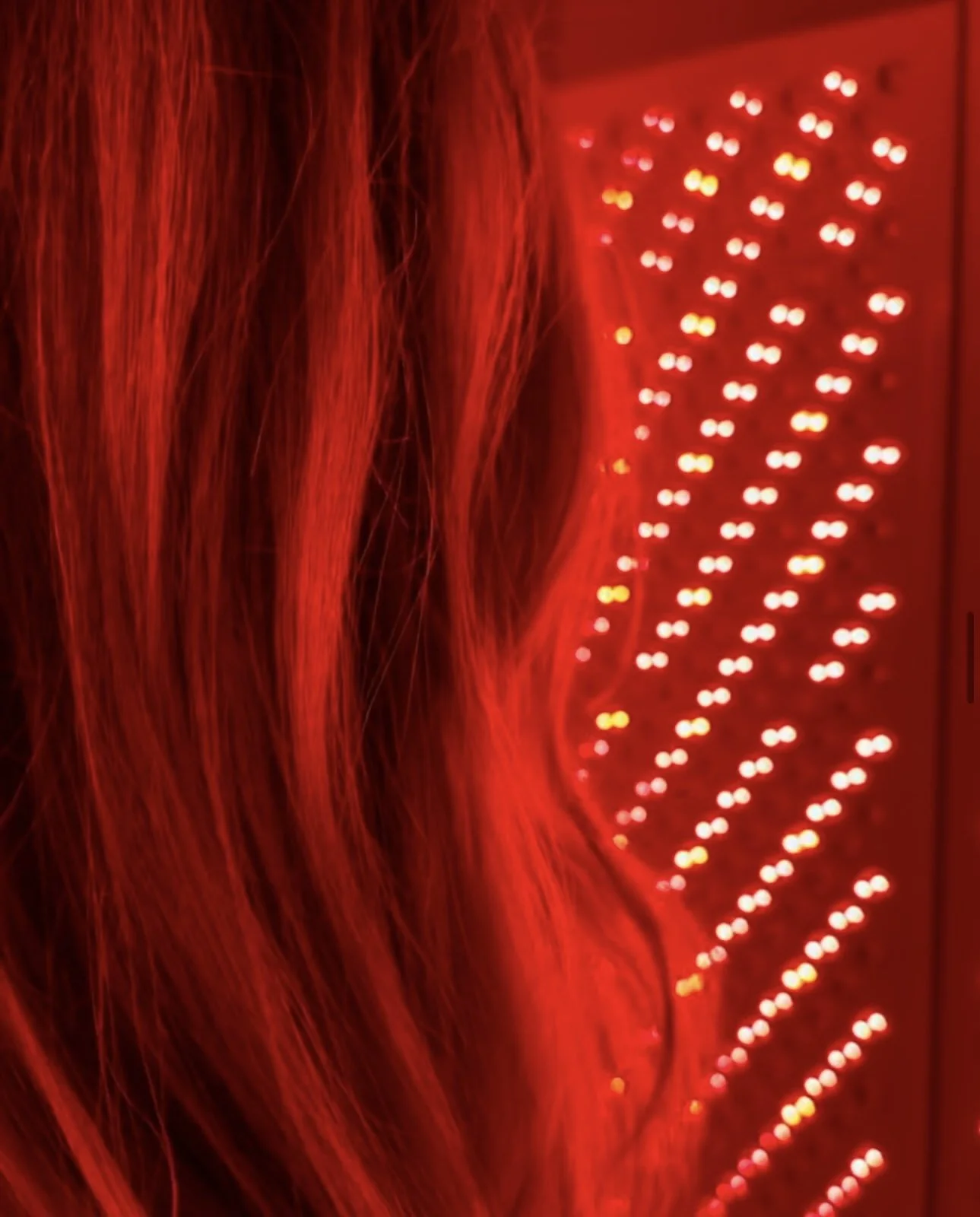
Researchers are also investigating other wavelengths, including 670nm red light and 1064nm near-infrared light, for a variety of potential applications.
But here's the important part: more wavelengths don't automatically mean better results.
The question isn't how many numbers a manufacturer can fit on a product page. It's whether the wavelengths, output, and treatment protocol are appropriate for the intended use—and whether the evidence supports the claims being made.
Be especially cautious of sweeping promises. If a device claims to reverse aging, relieve pain, improve every aspect of your health, and deliver miraculous results without explaining the evidence, I'd be asking more questions.
3. Look beyond the price tag.
So do you need to spend thousands of dollars on a red light device?
No.
Expensive doesn’t mean effective, and cheap doesn’t mean useless. A $79 panel might be enough for what you want. A professional system might give you more coverage, better controls, and testing you can actually look at. What you’re paying for is information, so make sure you’re getting it.
“Your wellness routine deserves more than a good marketing department.”
Before buying, I’d ask:
Wavelengths: Are the wavelengths clearly disclosed, and are they appropriate for the intended application?
Irradiance: Does the manufacturer provide credible measurements, including the distance at which they were taken?
Testing: Can you find meaningful performance data and an explanation of how the device was tested?
Protocol: Are recommended treatment times and distances clearly provided?
Claims: Are the advertised benefits supported by evidence relevant to that particular device and use?
Practicality: Does the device provide the coverage, usability, and consistency you'll need to use it as intended?
You don’t need a degree in photobiomodulation to shop smart. But if a company can’t answer these questions clearly, that tells you something.
Why we chose the system we use at Revival.
At Revival Wellness Studio, we chose the PlatinumLED BioMax system because we wanted to be thoughtful about the technology we bring into our space.
Our decision wasn't based on the assumption that the most expensive option is automatically the best. It was about evaluating the specifications, considering the intended applications, and understanding the equipment we ask our clients to trust.
We also believe that wellness technology should be used thoughtfully and consistently, with realistic expectations.
Red light therapy isn't a magic fix, and no single device can replace the bigger picture of health. But when you're curious about incorporating it into your wellness routine, understanding the technology is a good place to start.
The Bottom Line
You can absolutely buy a red light panel or face mask online. You don't necessarily need the most expensive device on the market. You do deserve to know what you're paying for.
Look beyond the price and the promises. Check the wavelengths. Look for credible irradiance measurements and the distances at which they were taken. Understand the recommended protocol. And be skeptical of claims that sound too good to be true.
If you're curious about red light therapy and would rather experience it before investing in a home device, come try our PlatinumLED BioMax system at Revival Wellness Studio. You can learn more about how we use it, ask questions, and decide whether it fits your goals.
Some of our clients have found consistent red light therapy valuable enough that they've gone on to invest in devices for home use. Experiencing a professional system first can help you better understand the process and the questions to ask before making that decision.
Have questions about red light therapy or choosing a device for home use? Ask us the next time you're in the studio. We're happy to talk wavelengths, treatment protocols, and what actually matters when choosing your equipment.