

If you have Hashimoto’s, you know that managing your condition and actually feeling good are not always the same thing.
You can be doing all the right things—paying attention to nutrition, managing stress, prioritizing sleep, and staying on top of your health—and still struggle with fatigue, muscle aches, brain fog, or the feeling that your body just isn’t operating the way you want it to.
That deserves a bigger conversation.
At Revival Wellness Studio, we believe recovery, cellular health, and the everyday practices that support well-being deserve a place alongside conventional approaches to health. Infrared sauna and red light therapy are two modalities we’re particularly interested in, and we’ve seen clients with Hashimoto’s incorporate them consistently and report meaningful improvements in how they feel.
Their experiences are part of why we believe these tools are worth exploring.
You don‘t have to choose between taking your diagnosis seriously and being curious about additional ways to support your body. You can do both.
Because managing a condition is one thing. Building a life in which you feel well is another—and both matter.
First, a Quick Look at Hashimoto’s
Hashimoto’s thyroiditis is an autoimmune condition in which the immune system attacks the thyroid gland. Over time, this can interfere with thyroid hormone production and lead to hypothyroidism.
The experience looks different for everyone. Fatigue, changes in energy, muscle aches, difficulty concentrating, and changes in weight or mood can all affect quality of life. Symptoms can persist even when someone is actively managing their condition.
That’s why we think it’s worth looking beyond a single intervention.
Medication and appropriate medical monitoring are important. So are the everyday factors that influence how you feel: sleep, movement, nutrition, stress management, and recovery.
This is where infrared sauna and red light therapy enter the conversation.
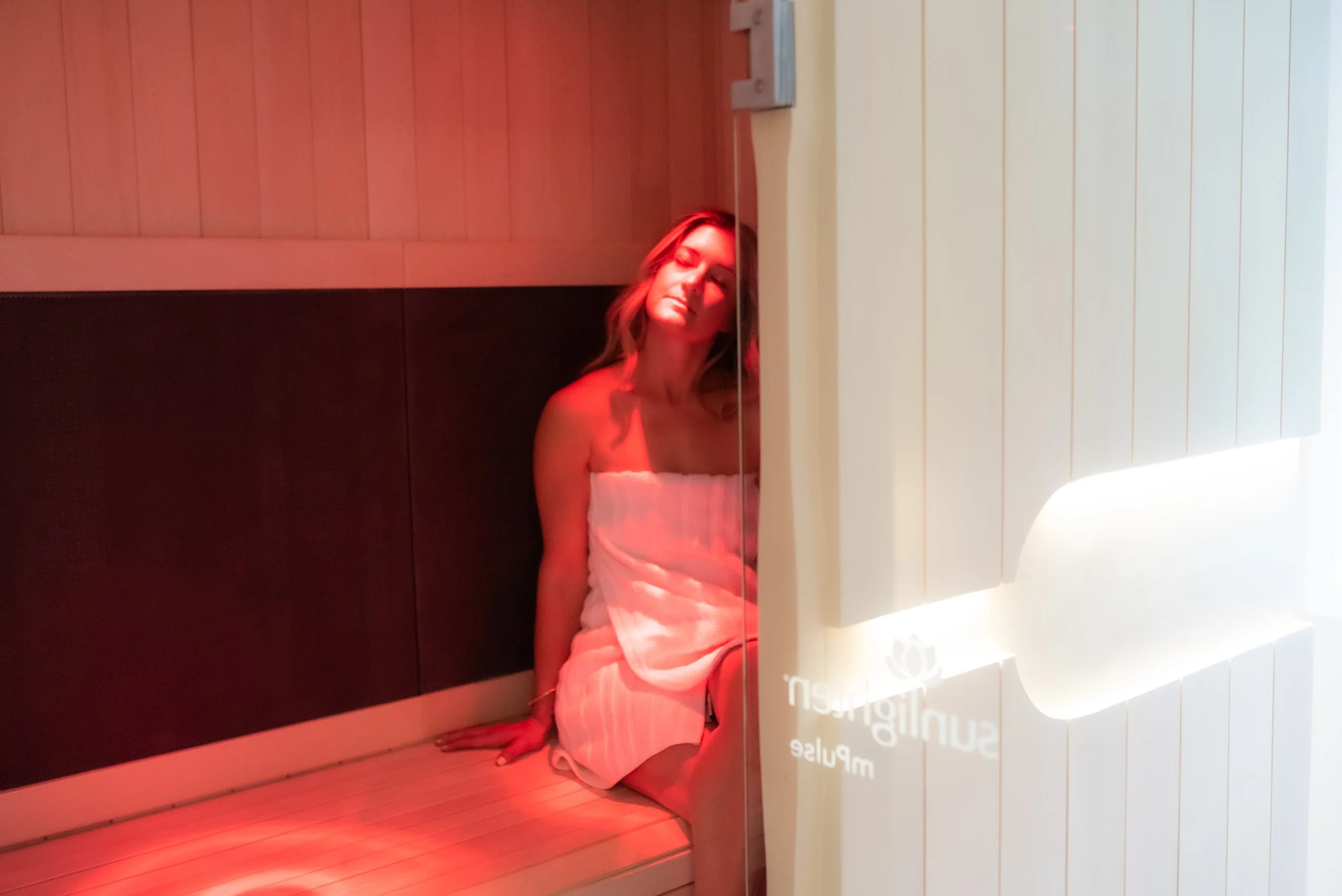
1. Infrared Sauna: Make Recovery Part of Your Routine
Infrared sauna uses infrared energy to warm the body directly, delivering therapeutic heat without requiring the extreme air temperatures of traditional saunas.
At Revival, we see infrared sauna as much more than a way to sweat. Heat is a powerful tool for recovery. It stimulates circulation, encourages relaxation, eases muscle tension, and gives your body an opportunity to step away from the constant demands of daily life. When used consistently, sauna can become a valuable part of a recovery and longevity routine.
Stress Relief and Relaxation
Living with a chronic condition can be physically and mentally demanding. Managing symptoms, appointments, work, and everyday responsibilities can leave little room for recovery.
Infrared sauna creates that space. The warmth encourages the body to slow down, helps release physical tension, and provides a dedicated opportunity to decompress. Heat exposure also triggers physiological responses that have been studied for their effects on cardiovascular function and overall well-being.
Recovery isn‘t a luxury. It‘s part of taking care of your body.
Regular sauna sessions can help you build a consistent practice around relaxation, stress management, and physical recovery—giving you time to step away from the demands of your day and prioritize your own well-being.
“Managing a condition is one thing. Building a life in which you feel well is another—and both matter.”
Circulation and Cardiovascular Support
Infrared sauna does more than make you sweat. As your body warms, blood vessels dilate, circulation increases, and your heart rate rises. This creates a cardiovascular response similar in some respects to moderate physical activity.
Research on regular sauna bathing has linked sauna use with cardiovascular benefits, including associations with better cardiovascular health over time.
For people with Hashimoto’s, supporting overall cardiovascular health is another important part of a comprehensive approach to well-being. Infrared sauna offers a way to incorporate controlled heat exposure into a consistent recovery routine.
Muscle Comfort and Recovery
When your body feels stiff, sore, or depleted, even everyday movement can become a challenge.
Infrared heat helps warm muscles, ease tension, and promote physical comfort. It can be especially appealing after exercise or on days when your body needs a little extra attention.
At Revival, clients use sauna as part of their regular recovery routines because they want to feel better in their bodies, move more comfortably, and make recovery a consistent priority rather than an afterthought.
You don‘t have to wait until you‘re completely depleted to prioritize recovery.
What About Hashimoto’s Specifically?
People with Hashimoto’s are increasingly exploring complementary wellness practices, including infrared sauna. And there are encouraging reports from people who have incorporated sauna into their routines.
The Thyroid Pharmacist has shared survey findings from people with Hashimoto’s who use sauna, with respondents reporting improvements in areas including energy, skin health, pain, and mood.
These are self-reported experiences, not proof that sauna treats Hashimoto’s or changes thyroid function. But they offer an important perspective: people living with the condition are finding approaches they feel support their quality of life.
At Revival, we hear similar stories from clients who make sauna a regular part of their wellness routines.
Our focus is on helping people feel and function better—not reducing their health to a diagnosis. Infrared sauna is one tool that can support relaxation, circulation, muscle comfort, and recovery as part of that bigger picture.
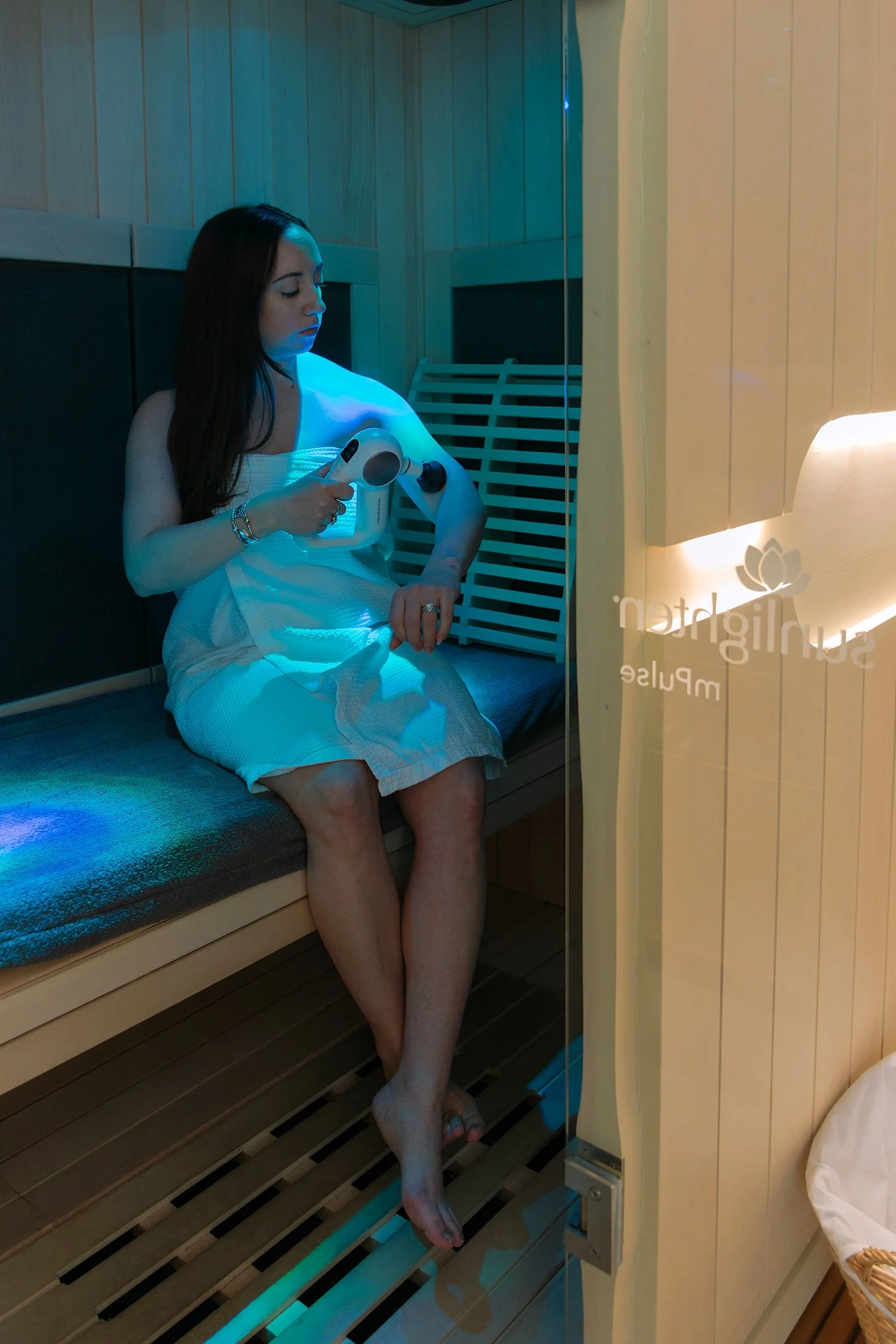
2. Red Light Therapy: Support Cellular Energy and Recovery
Red light therapy uses specific wavelengths of red and near-infrared light to stimulate biological responses within the body. This process, known as photobiomodulation, has become an important area of research in cellular health, recovery, and tissue function.
At Revival, our full-body red light panels deliver five wavelengths—630, 660, 810, 830, and 850 nanometers—selected to target different responses in the skin and underlying tissues.
These wavelengths have been studied for their effects on cellular signaling, mitochondrial activity, tissue recovery, and inflammation-related processes.
For people with Hashimoto’s, the potential connection between cellular function, energy, and overall well-being makes red light therapy particularly interesting.
Cellular Energy and Mitochondrial Function
Your mitochondria are responsible for producing much of the energy your cells need to function. When we talk about cellular energy, we’re talking about one of the fundamental processes that keeps your body working.
Red and near-infrared light have been studied for their ability to influence mitochondrial activity and cellular signaling. This is one of the central mechanisms researchers investigate when studying photobiomodulation.
The appeal of red light therapy goes beyond what you can see on the surface. It’s about exploring how light interacts with the body at a cellular level.
For anyone taking a proactive approach to recovery and longevity, that is a compelling area of science.
Recovery and Tissue Health
Red light therapy has been studied for its applications in skin health, tissue repair, and certain types of pain. Research suggests that specific wavelengths and treatment protocols can influence biological processes involved in these functions.
At Revival, we see red light therapy as a practical addition to a consistent wellness routine. It’s noninvasive, requires no downtime, and can be incorporated into a broader approach to recovery and well-being.
And consistency matters. Rather than treating each session as a one-off, a regular routine gives you the opportunity to make red light therapy part of your ongoing approach to self-care and recovery—and to pay attention to how you feel over time.
Red Light Therapy and Hashimoto’s: An Area Worth Exploring
Research into photobiomodulation has extended to autoimmune thyroid conditions, with studies examining whether light-based approaches may influence thyroid-related outcomes. This is an exciting area of investigation for people interested in complementary approaches to wellness.
At Revival, we’ve seen clients with Hashimoto’s incorporate regular red light therapy into their routines and report meaningful improvements in how they feel. Those experiences are part of why we believe this modality deserves attention in the broader conversation about recovery and well-being.
There is an important distinction between research using targeted light exposure over the thyroid and the use of full-body red light panels. These approaches are not interchangeable, and findings from one protocol cannot automatically be applied to another.
But that distinction doesn‘t diminish the broader value of red light therapy or the experiences of clients who choose to make it part of their wellness routines.
We believe in exploring the tools that support recovery, understanding how they work, and paying attention to the difference consistent wellness practices can make in people‘s lives. Red light therapy is one of those tools—and the science behind photobiomodulation makes it an area worth continuing to explore.

3. Why Consistency Deserves More Attention
We live in a world that encourages us to look for the one thing that will fix everything.
The supplement. The protocol. The perfect diet. The next big intervention.
But meaningful change rarely comes from one isolated decision. It comes from the practices we build into our lives and repeat consistently.
Recovery works best when it becomes part of your routine—not something you think about only when you‘re exhausted, sore, or running on empty.
At Revival, we encourage clients to approach infrared sauna and red light therapy as ongoing wellness practices rather than occasional indulgences. Each offers distinct benefits, and together they can be part of a broader approach to recovery, physical well-being, and longevity.
You don‘t need to overhaul your entire life to get started. You need a routine that works with your schedule, feels sustainable, and gives you the opportunity to experience the benefits of consistency.
Pay attention to your energy, sleep, muscle comfort, mood, and overall well-being. Give yourself time to notice patterns and understand how your body responds.
The goal isn‘t to chase an overnight transformation. It‘s to build habits that support how you want to feel and function over time.
4. Can You Use Infrared Sauna and Red Light Therapy if You Have Hashimoto’s?
For people living with Hashimoto’s, infrared sauna and red light therapy can be worth exploring as part of a broader wellness routine. The right approach depends on your individual health, how you respond to each modality, and the protocols you follow.
Here are a few things to keep in mind:
Start with a manageable sauna session. Heat increases your body‘s demand for temperature regulation and can contribute to dehydration, dizziness, or changes in blood pressure. Begin with a comfortable duration and build gradually as tolerated.
Listen to your body. If you experience unusual fatigue, lightheadedness, palpitations, or worsening symptoms, stop your session and seek appropriate medical guidance.
Follow red light therapy guidelines. Use your device according to its recommended session times and eye-protection instructions. More exposure does not necessarily mean better results.
Understand the difference between full-body and thyroid-targeted light therapy. These involve different protocols. If you‘re considering direct light exposure over your thyroid, discuss the approach with a qualified healthcare professional.
Keep your overall health strategy in perspective. Sauna and red light therapy can complement a broader wellness routine that includes appropriate medical care, nutrition, sleep, movement, and stress management.
If you have cardiovascular concerns, heat intolerance, or a condition that could affect your response to heat, seek individualized guidance before beginning sauna use.
The goal is to make these practices work for you: thoughtfully, consistently, and in a way that supports your overall well-being.
“You are more than your diagnosis. And your approach to feeling better can be bigger than managing symptoms alone.”
A More Intentional Approach to Wellness
At Revival Wellness Studio, we believe in making recovery and longevity practices accessible, practical, and part of everyday life. Infrared sauna and red light therapy are two ways to invest in your well-being through consistent, intentional care.
Explore Infrared Sauna and Red Light Therapy
Located in Medfield, Massachusetts, Revival Wellness Studio offers infrared sauna and full-body red light therapy as part of our recovery and longevity services.
Curious about getting started? Explore our services to learn more about each modality and find the right fit for your wellness routine.
Your wellness routine should support the life you want to live—not become another full-time job.
Medical disclaimer: This article is for educational purposes only and is not intended to diagnose, treat, cure, or prevent any disease. Infrared sauna and red light therapy are not treatments for Hashimoto’s thyroiditis or hypothyroidism. Consult your healthcare provider before beginning heat or light therapy, particularly if you have a chronic medical condition or take medications that may affect heat tolerance or light sensitivity.