

We talk a lot about gut health, hormones, inflammation, and longevity. But there’s another system working behind the scenes every single day that deserves far more attention: your lymphatic system.
Think of it as your body’s internal transportation and drainage network. It helps maintain fluid balance, supports immune function, and moves cellular debris and other materials away from tissues so they can be processed and eliminated through the body’s normal pathways.
When lymphatic circulation is impaired, fluid can accumulate in the tissues, leading to swelling, heaviness, and discomfort. And when your lymphatic system is working as it should, it plays an essential role in keeping your body’s fluids moving and your immune defenses functioning.
At Revival Wellness Studio, lymphatic health is an important part of our approach to recovery, longevity, and feeling your best. Through movement, targeted lymphatic treatments, and consistent wellness practices, we can support the processes your body relies on to maintain fluid balance and recover from everyday demands.
Let’s look at how this system works—and why it deserves a place in your wellness routine.

First, What Exactly Is the Lymphatic System?
Your lymphatic system is an extensive network of vessels, lymph nodes, and organs that works alongside your circulatory and immune systems.
Here’s how it works.
Lymph is the fluid that travels through the lymphatic system. As fluid moves out of small blood vessels and into surrounding tissues, the lymphatic system collects the excess and returns it to the bloodstream. This fluid carries proteins, cellular debris, and other materials along the way.
Lymph travels through a network of vessels and passes through lymph nodes, where immune cells help identify and respond to bacteria, viruses, and other potentially harmful substances. Eventually, lymph drains into large ducts that return it to the bloodstream.
Your lymphatic system has several essential jobs:
Maintaining fluid balance: Collecting excess fluid from tissues and returning it to circulation.
Supporting immune function: Transporting immune cells and allowing lymph nodes to help detect and respond to potential threats.
Transporting cellular material: Moving proteins, debris, and other substances from tissues into the circulation for processing.
Absorbing dietary fats: Specialized lymphatic vessels in the small intestine transport certain fats and fat-soluble nutrients.
Unlike your cardiovascular system, which has the heart as its central pump, your lymphatic system doesn’t have a single pump driving fluid throughout the body. Lymph moves through one-way vessels with the help of skeletal muscle contractions, breathing, pressure changes, and the vessels’ own rhythmic contractions.
Movement matters. Breathing matters. And keeping fluid moving is a fundamental part of how your body functions.
Why Lymphatic Flow Matters for Recovery
Your lymphatic system is involved in much more than fluid movement. It is a key part of the body’s immune and recovery processes.
When fluid accumulates in the tissues, the result can be swelling, heaviness, and discomfort. This can occur after certain injuries or surgeries, with prolonged immobility, or when the lymphatic system isn’t functioning effectively.
Supporting lymphatic circulation can help manage excess fluid and promote tissue comfort, particularly for people experiencing fluid retention or impaired lymphatic drainage.
Here are some of the key reasons lymphatic support deserves attention.
1. Helps Manage Swelling and Fluid Retention
One of the best-established roles of the lymphatic system is maintaining fluid balance.
When lymphatic drainage is impaired, fluid can build up in the tissues. This is known as edema, and when it results from impaired lymphatic function, it may be associated with lymphedema.
Manual lymphatic drainage and appropriate compression therapies are used in managing certain forms of swelling, including lymphedema. For people experiencing temporary fluid retention, compression-based treatments may also help manage that feeling of heaviness or puffiness.
The right approach depends on the cause of the swelling, but the principle is straightforward: fluid movement is essential to maintaining healthy tissue balance.
2. Supports Recovery and Physical Comfort
Exercise, physical activity, and everyday life place demands on your body. Recovery involves multiple systems working together to repair tissue, regulate inflammation, and restore normal function.
Lymphatic circulation contributes to this process by returning excess interstitial fluid and transporting cellular materials. When swelling is present, appropriate lymphatic support may help improve comfort and mobility.
For athletes and active individuals, compression and other recovery practices can be useful additions to a broader recovery routine. The results depend on the treatment, the individual, and the reason for using it.
The goal isn’t to eliminate every trace of soreness. It’s to give your body the support it needs to recover between the demands you place on it.
3. Plays an Essential Role in Immune Function
Your lymphatic system is a major part of your immune defense.
Lymph nodes act as meeting points for immune cells, helping the body recognize and respond to potential threats. Lymphatic vessels transport immune cells and materials between tissues and lymph nodes, allowing the immune system to coordinate its response.
This is also why lymph nodes may become swollen during an infection: immune activity is increasing as the body responds.
Supporting normal lymphatic function helps maintain this essential network. However, lymphatic drainage treatments aren’t a way to prevent infections or treat an active illness. Their role is to support fluid movement, not replace the work of your immune system.
4. Supports Healthy Tissue Balance
Your tissues depend on a balanced exchange of fluid and materials between blood vessels and surrounding cells.
The lymphatic system helps maintain that balance by collecting excess fluid and returning it to circulation. When drainage is compromised, the resulting swelling can affect comfort, movement, and tissue health.
This is one reason lymphatic function matters in recovery after certain surgeries and injuries. In appropriate cases, lymphatic drainage and compression may be incorporated into a clinician-directed recovery plan.
5. Contributes to Skin Appearance
Fluid accumulation can contribute to visible puffiness, particularly around the face and eyes, and may affect the appearance of areas where swelling is present.
Lymphatic treatments can help reduce fluid-related puffiness in appropriate circumstances. Some people notice that their skin and body contours look less puffy after treatment.
It’s important to distinguish fluid-related changes from other factors that affect skin appearance, such as collagen loss, aging, and changes in body fat. Lymphatic treatments don’t reverse all of these processes, but managing excess fluid can make a visible difference when puffiness is part of the picture.
“The goal isn’t to eliminate every trace of soreness. It’s to give your body the support it needs to recover between the demands you place on it.”
Signs Your Lymphatic System May Need Attention
Lymphatic dysfunction doesn’t always announce itself dramatically. One of the most recognizable signs is persistent swelling, but other symptoms can depend on the underlying cause.
Signs worth paying attention to include:
Persistent swelling in an arm, leg, hand, foot, or another area of the body
A feeling of heaviness, tightness, or fullness in an affected limb
Skin that feels tight or clothing, rings, or shoes that suddenly fit differently
Reduced flexibility or difficulty moving an affected area
Swelling that persists or worsens over time
Recurrent skin infections in an area affected by lymphedema
Puffiness and temporary fluid retention can have many causes, and symptoms such as fatigue, brain fog, digestive issues, weight gain, headaches, and skin changes are not specific indicators of lymphatic dysfunction.
If you experience persistent or unexplained swelling, seek medical evaluation rather than assuming your lymphatic system is the cause. Sudden swelling, especially in one leg or accompanied by pain, redness, chest pain, or shortness of breath, requires prompt medical attention.
The takeaway? Pay attention to changes in your body, and address persistent symptoms at their source.
What Slows Lymphatic Flow?
Lymph moves through the body with help from muscle activity, breathing, and the lymphatic vessels themselves. Unlike blood circulation, it doesn’t have a central pump.
That means everyday habits can influence how effectively fluid moves through the system.
Factors that can affect lymphatic flow include:
Prolonged inactivity. Movement helps propel lymph through the vessels. Long periods of sitting or limited mobility can reduce the muscle activity that assists fluid movement.
Surgery or injury. Tissue damage and inflammation can contribute to swelling. Some surgeries, particularly those involving lymph nodes, can also impair lymphatic drainage.
Medical conditions affecting the lymphatic system. Lymphedema and other lymphatic disorders can interfere with the body’s ability to transport fluid.
Changes in overall health. Certain medications and conditions involving the heart, kidneys, liver, or veins can cause fluid retention. Not all swelling is lymphatic, which is why identifying the underlying cause matters.
Regular movement, adequate hydration, and diaphragmatic breathing are practical ways to support normal circulation. When swelling or impaired lymphatic drainage is present, targeted treatment may also be appropriate.
“Movement matters. Breathing matters. And keeping fluid moving is a fundamental part of how your body functions.”
Everyday Ways to Support Your Lymphatic System
You don’t need an elaborate detox protocol to support your lymphatic system. Start with the basics and build from there.
Move Your Body
Walking, strength training, mobility work, and other forms of regular physical activity engage the muscles that help move lymph. If you spend long stretches sitting, take movement breaks throughout the day.
Practice Diaphragmatic Breathing
Deep, diaphragmatic breathing creates pressure changes in the chest and abdomen that help support lymph movement, including flow through the thoracic duct.
Try taking a few minutes to breathe slowly and deeply, allowing your abdomen to expand as you inhale and relax as you exhale. It’s simple, accessible, and easy to incorporate into your day.
Stay Hydrated
Hydration supports normal circulation and the body’s fluid balance. Drink water regularly throughout the day, adjusting your intake for activity, climate, and individual needs.
Eat for Overall Health
No single food can flush toxins from your lymphatic system, but a balanced diet supports the broader systems your body relies on.
Build meals around vegetables, leafy greens, fruit, quality protein, healthy fats, nuts, seeds, and fiber-rich foods. Foods such as avocado, chia seeds, ground flaxseed, and walnuts can be useful additions to a balanced eating pattern.
Consider Targeted Lymphatic Support
If you experience fluid retention, heaviness, or are looking for additional recovery support, targeted treatments may be worth exploring. The appropriate method depends on your goals and health history.
This is where professional lymphatic treatments can complement the everyday habits that support normal fluid movement.
“Your body has sophisticated systems designed to keep it functioning. Our job is to help you support them.”
Lymphatic Treatments at Revival
At Revival Wellness Studio, we offer targeted technologies that support circulation, fluid movement, recovery, and body care. Two options are BallancerPro and Endermologie. While both involve mechanical stimulation, they work differently and serve distinct purposes.
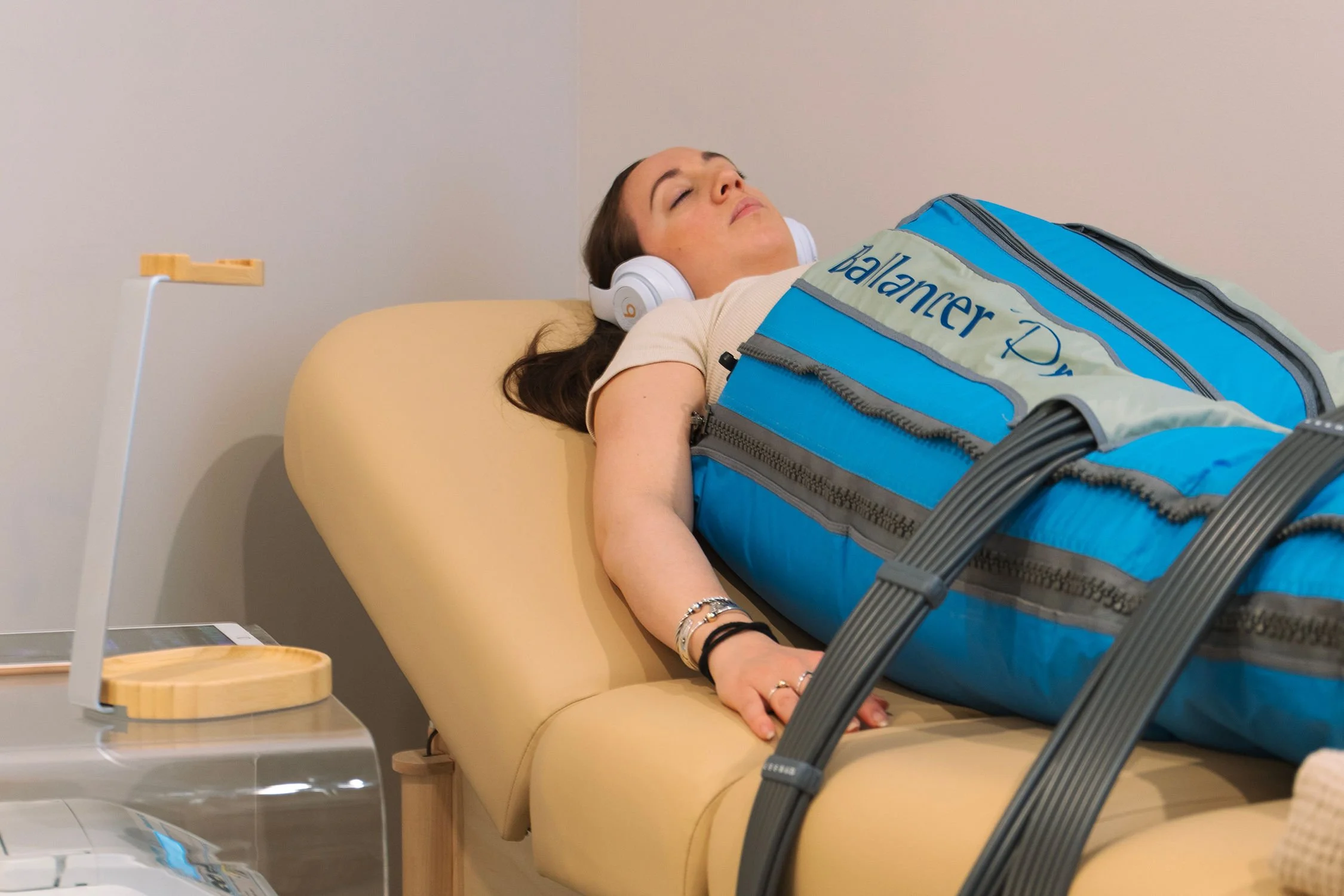
BallancerPro: Compression-Based Lymphatic Support
BallancerPro uses a specialized garment with multiple air chambers that inflate and deflate in a controlled sequence, applying rhythmic compression to the body. This pressure helps move fluid through the tissues and supports lymphatic and venous circulation.
Compression-based treatments are particularly relevant to managing fluid retention and the feeling of heaviness or puffiness that can accompany fluid accumulation. Many clients also incorporate compression into their recovery routines after physical activity or periods of prolonged sitting.
At Revival, BallancerPro offers a structured, comfortable way to make compression-based recovery part of your wellness routine. Whether your goal is to address fluid-related puffiness or complement your broader recovery practices, we can help you understand the treatment and determine whether it fits your needs.
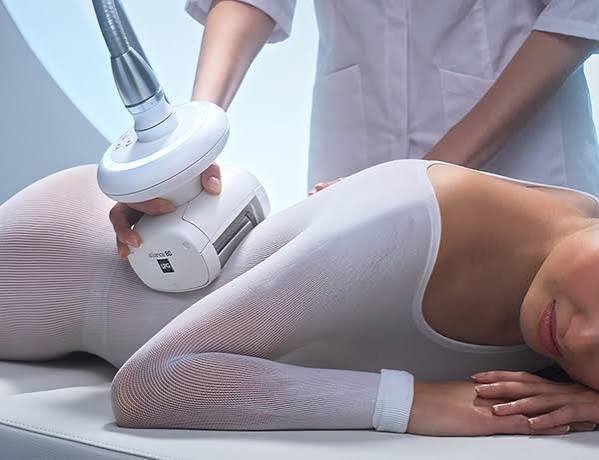
Endermologie: Mechanical Stimulation for Circulation and Body Care
Endermologie uses motorized rollers and controlled suction to mechanically stimulate the skin and underlying tissues. This treatment is used in body care programs focused on the appearance of cellulite, skin texture, and body contouring, and it may also support local circulation and fluid movement.
By stimulating the tissues mechanically, Endermologie offers a different approach from the sequential air compression used by BallancerPro. It can be incorporated into a structured series of treatments for clients interested in body care, tissue stimulation, and the appearance of smoother skin.
At Revival, we approach Endermologie as a targeted treatment within a broader recovery and body-care strategy. A consistent series may help you assess changes in the areas you’re focusing on, with results varying according to the individual and treatment plan.
BallancerPro and Endermologie aren’t interchangeable. One delivers rhythmic pneumatic compression; the other uses mechanical stimulation of the tissues. Depending on your goals, one may be more appropriate than the other—or they may complement different parts of your wellness routine.
Who Can Benefit From Lymphatic Support?
Lymphatic treatments can be useful in a variety of settings, but the right approach depends on the individual.
Active individuals and athletes: Compression and other recovery practices may help with post-exercise comfort and perceived recovery. They work best alongside appropriate training, nutrition, sleep, and active recovery.
People experiencing fluid-related puffiness: Targeted treatments may help manage temporary fluid accumulation, depending on its cause.
People recovering from certain procedures: Lymphatic drainage and compression are sometimes incorporated into post-operative care. Always follow your surgeon’s instructions and use treatments only when cleared for your specific procedure.
People with diagnosed lymphatic conditions: Medical lymphatic care, including compression and manual lymphatic drainage when indicated, can be an important part of managing lymphedema. These conditions may require a specialized treatment plan from a qualified clinician.
Not every person needs a lymphatic treatment, and more treatment isn’t always better. If you have unexplained swelling, active infection, a history of blood clots, significant cardiovascular or kidney disease, or another condition that could affect treatment safety, seek medical guidance before booking.
The Bottom Line: Give Your Body the Support It Needs
Your lymphatic system is working around the clock to maintain fluid balance, transport immune cells, and return excess fluid from your tissues to circulation. It is an essential part of how your body functions—not a system that needs to be aggressively detoxed.
The most effective place to start is with the fundamentals: regular movement, diaphragmatic breathing, hydration, and consistent recovery habits. For people who need additional support with fluid management or want to incorporate targeted treatments into their wellness routine, professional lymphatic therapies can offer another option.
At Revival, we believe recovery and longevity are built through informed choices and consistent practices—not quick fixes or miracle claims. Understanding how your body works is the first step toward supporting it more intentionally.
Ready to Explore Lymphatic Treatments?
Revival Wellness Studio in Medfield, Massachusetts, offers BallancerPro compression therapy and Endermologie to support your recovery and body-care goals.
Whether you’re interested in compression-based lymphatic support or mechanical tissue stimulation, we’ll help you understand the differences and explore which approach may be right for you.
Your body has sophisticated systems designed to keep it functioning. Our job is to help you support them.
Explore our services at Revival Wellness Studio and make recovery part of your routine.